Bismillahir Rehmanir Raheem
+91 9879997866
Saiyad Ali Mira Datar


Mira Datar Dargah
Nigahe Vali Mein wo Taseer dekhi Badalti Hazaron ki taqdeer dekhi
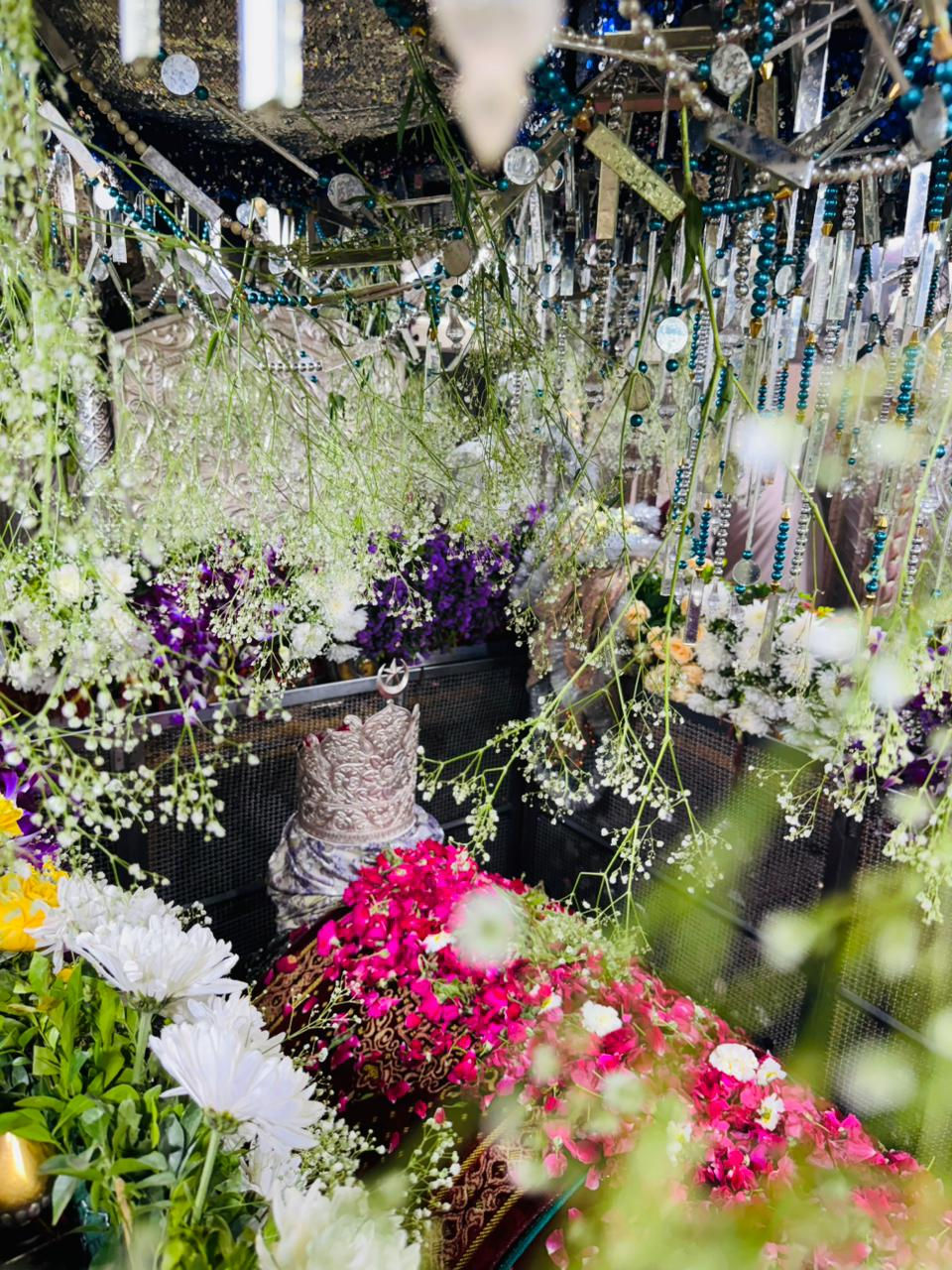
Mira Datar Dargah Sherif - Head Sajjada and Gaddinashin - Saiyed Haji & Saiyed Miya
"Gaddi Nashin" is the successor or hereditary administrator of a Sufi shrine (dargah). This title, which literally means "one who sits on the prayer mat," refers to a person, often a son or descendant, who holds a spiritual and custodial role at the dargah. They are responsible for maintaining the shrine, performing rituals, leading prayers, and guiding devotees.
-
Role: The Gaddi Nashin's duties include performing religious and spiritual ceremonies, leading prayers, and overseeing the daily activities of the shrine. They are the spiritual head who continues the mission of the Sufi master.
-
Hereditary position: The role is typically hereditary, passed down through a family lineage from the Sufi or a disciple, ensuring the continuity of traditions at the shrine.
-
Custodial duties: They act as a trustee, looking after the Mazaar Sharif (mausoleum) and the affairs of the Dargah. Haji Saiyed Abdul Wahab & his successor Saiyed Hasnein Miya the Gaddi Nashin of the Mira Datar Dargah Loban Custodial and chiragan with the role of chief attendant or custodian.
-
"Sajjada Nashin": This term is often used interchangeably with "Gaddi Nashin" and has the same meaning, referring to the person who sits on the prayer mat at the shrine.
-
Saiyed Haji Abdul Wahab Siraj Miya and his successor, Saiyed Hasnein Miya, stand as important figures within the spiritual and custodial lineage of a Sufi shrine, where the sacred responsibilities of tradition, devotion, and service are carried forward across generations. At the heart of their role lies the concept of the “Gaddi Nashin,” a title deeply rooted in Sufi culture and heritage. The term itself, meaning “one who sits on the prayer mat,” symbolizes not only authority but also humility, continuity, and spiritual stewardship. It represents a position that is both honored and demanding, blending religious leadership with practical administration.
-
The Gaddi Nashin is far more than a ceremonial figure. This role encompasses a wide range of duties that are spiritual, social, and organizational in nature. As the successor to a Sufi saint or master, the Gaddi Nashin becomes the living representative of the saint’s teachings, values, and mission. This responsibility is not simply inherited as a title; it carries the weight of expectation from devotees who look to the Gaddi Nashin for guidance, blessings, and a connection to the divine. In this sense, the position serves as a bridge between the past and the present, ensuring that the spiritual light of the Sufi tradition continues to shine.
-
Saiyed Haji fulfilled this role with dedication and reverence, embodying the ideals expected of a Gaddi Nashin. His life and service were centered around the dargah, where he oversaw religious practices, maintained the sanctity of the shrine, and welcomed devotees from all walks of life. His approach reflected the inclusive and compassionate spirit of Sufism, where the focus is on love, devotion, and unity beyond divisions. Through his efforts, the shrine remained not just a place of worship, but a center of spiritual solace and communal harmony.
-
Following in his footsteps, Saiyed Miya assumed the mantle of Gaddi Nashin, continuing the hereditary lineage that defines this sacred role. The hereditary nature of the position is a key aspect of its identity. Traditionally, the Gaddi Nashin is chosen from among the descendants of the Sufi saint or from a closely connected family line. This ensures that the teachings, rituals, and values associated with the shrine are preserved with authenticity and continuity. It also reinforces a sense of trust among devotees, who see the lineage as a living extension of the saint’s presence.
-
The responsibilities of a Gaddi Nashin are multifaceted. One of the primary duties is to conduct and oversee religious and spiritual ceremonies. These may include daily prayers, special rituals, and commemorations of significant events associated with the saint. The Gaddi Nashin leads these activities with a deep sense of devotion, ensuring that every ritual is performed in accordance with tradition. This role requires not only knowledge of religious practices but also a strong spiritual foundation, as the Gaddi Nashin is expected to inspire and guide others.
-
In addition to spiritual leadership, the Gaddi Nashin plays a crucial role in managing the daily operations of the dargah. This includes supervising staff, organizing events, maintaining the premises, and ensuring that the needs of visitors are met. The shrine often attracts a large number of devotees, especially during festivals and special occasions, making efficient management essential. The Gaddi Nashin acts as a custodian, ensuring that the sanctity and order of the shrine are preserved at all times.
-
Another important aspect of the role is custodial responsibility over the Mazaar Sharif, or the mausoleum of the saint. This sacred space is the focal point of the dargah, where devotees come to offer prayers and seek blessings. The Gaddi Nashin ensures that the mausoleum is maintained with the utmost care and respect. Activities such as cleaning, decoration, and the lighting of lamps (chiragan) are carried out under their supervision. These acts, though seemingly simple, hold deep symbolic significance and are integral to the spiritual atmosphere of the shrine.
-
Saiyed Haji Abdul Wahab and Saiyed Hasnein Miya have both been closely associated with such custodial duties, particularly in the context of the Mira Datar Dargah. Their involvement in practices like loban (the burning of incense) and chiragan reflects their role as chief attendants and caretakers. These rituals contribute to the sensory and spiritual experience of the shrine, creating an environment that is both serene and uplifting. Through these acts, the Gaddi Nashin helps to maintain a connection between the physical space of the dargah and its spiritual essence.
-
The role of the Gaddi Nashin also extends to guiding devotees on their spiritual journeys. People from diverse backgrounds visit dargahs seeking comfort, healing, and direction. The Gaddi Nashin serves as a mentor and guide, offering counsel and prayers. This aspect of the role requires empathy, wisdom, and a deep understanding of human experiences. By providing support and guidance, the Gaddi Nashin helps individuals find peace and clarity in their lives.
-
Closely related to the title of Gaddi Nashin is the term “Sajjada Nashin,” which is often used interchangeably. Both terms refer to the same position and carry similar meanings. The Sajjada Nashin, like the Gaddi Nashin, is the one who occupies the spiritual seat at the shrine, continuing the legacy of the Sufi master. The use of different terms may vary based on regional or cultural contexts, but the essence of the role remains the same. It is a position defined by service, devotion, and continuity.
-
The hereditary aspect of the role ensures that the traditions of the dargah are preserved over time. However, it also places a significant responsibility on the successor to uphold the values and reputation of the lineage. Saiyed Hasnein Miya, as the successor to Saiyed Haji Abdul Wahab, carries forward this legacy with a sense of duty and commitment. His role is not only to maintain the existing practices but also to adapt to changing times while staying true to the core principles of Sufism.
-
In a broader sense, the Gaddi Nashin represents the living continuity of a spiritual tradition. While the Sufi saint may no longer be physically present, their teachings and influence continue through the Gaddi Nashin. This continuity is vital for the preservation of cultural and spiritual heritage. It ensures that the message of love, tolerance, and devotion that lies at the heart of Sufism remains accessible to future generations.
-
The significance of the Gaddi Nashin’s role can also be understood in terms of community building. Dargahs often serve as centers of social interaction, where people come together not only for religious purposes but also for cultural and communal activities. The Gaddi Nashin plays a key role in fostering this sense of community, promoting harmony and inclusiveness. By welcoming people from different backgrounds and beliefs, the dargah becomes a symbol of unity and shared humanity.
-
Saiyed Haji Miya and Saiyed Miya highlight the enduring importance of the Gaddi Nashin within the Sufi tradition. Their roles encompass spiritual leadership, custodial responsibility, and community engagement, all rooted in a deep sense of devotion and service. As hereditary successors, they ensure the continuity of a sacred legacy, preserving the teachings and practices of the Sufi path. Through their dedication, the dargah remains a vibrant and meaningful space, offering guidance, comfort, and inspiration to all who seek it.
 |  |  |  |  |
|---|
Dargah Sheriff Chief Moallim / Head Spritual Hereditary miradatar Khadim
Sufi - Haji Saiyed Haji Miya +91 9879997866